Thursday, December 3
1:30 – 3:00 pm ET
This webinar focuses on a recently published, pioneering AERA volume titled, Transforming the Special Education Teacher Workforce: Research and Complex Systems Perspectives. Panelists discuss systems thinking (ST) coupled with implementation and improvement sciences as an innovative, multifaceted approach for intervening and investigating the complexities associated with the special education teacher workforce crisis. Panelists also briefly review successes and failures associated with past and present approaches and emphasize ST informed research and human-centered technological innovation as a future-focused pathway paved with short- and long-term action-oriented strategies. The latter of which is aimed not only at strengthening the workforce but also at improving outcomes for students with disabilities and their families.
Free Public Event with Moderated Q&A
|
About the Panelists
|
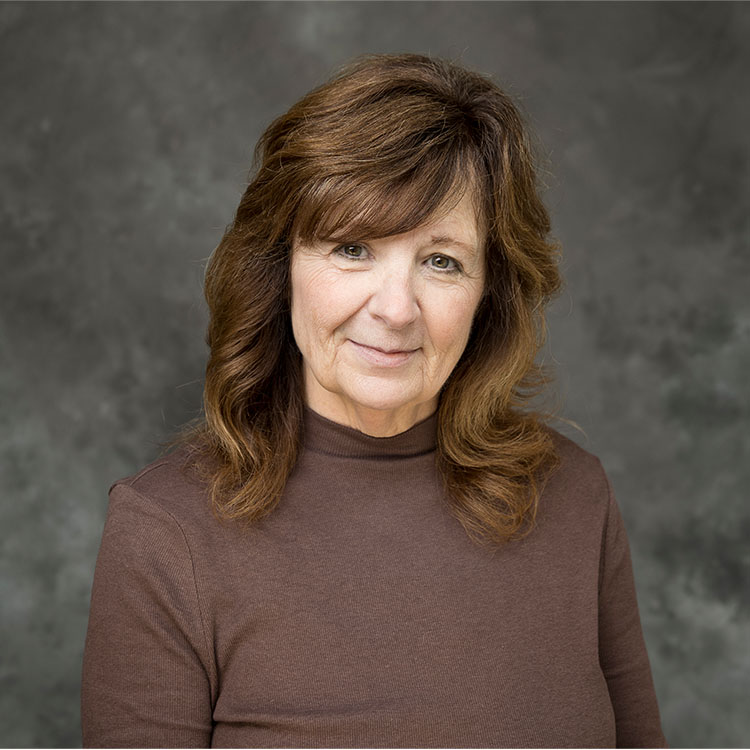 |
Marcia L. Rock is a professor in the Department of Specialized Education Services, School of Education, at the University of North Carolina Greensboro. She has over thirty years of experience as a teacher, administrator, and university professor, specializing in technology enabled pre- and in-service special education teacher development as well as the education of students with social, emotional, and behavioral challenges. She has received several awards, honoring not only her research, but also her teaching and leadership/service. Her research activities are currently focused on four strands: technology enabled coaching in special education teacher preparation/professional development, social, emotional, and behavioral supports for children and youth with and without exceptionalities, systems thinking and the special education workforce, and research practice partnerships (RPPS). Dr. Rock has authored, along with chapter contributors, the foundational book in technology enabled coaching for in-service special and general education teachers. In addition, Dr. Rock has authored or co‐authored numerous articles that have appeared in top-ranked professional journals. She has served as PI or co-PI on over $20 million dollars in funded personnel development and research grants aimed at preparing and supporting special education teachers, researchers, special education teacher educators, and leaders.
|
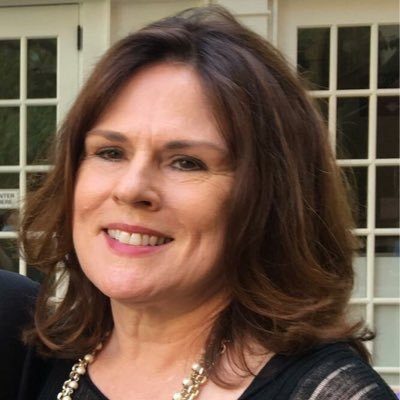 |
Bonnie Billingsley is a professor in the School of Education at Virginia Tech. Prior to her work at Virginia Tech, she taught students with disabilities and was an administrator in two school district. Her work with recruiting and retaining teachers in two school districts led to her research interests in the preparation, induction, support, and retention of special education teachers as well as the leadership and working conditions that support teachers’ effectiveness. Dr. Billingsley has published or co-published six books, numerous book chapters, and many articles in leading journals. She has served as a consultant to various professional organizations, school systems, state departments of education, research groups, and universities and has been an invited speaker as various conferences and Meetings.
|
 |
Lisa Dieker is the Williamson Family Distinguished Professor in Special Education at the University of Kansas (KU). Prior to her position at KU, Dr. Dieker was a Pegasus Professor and Lockheed Martin Eminent Scholars in the College of Community Innovation and Education at University of Central Florida (UCF). She serves as the Director of the UCF/Lockheed Martin Mathematics and Science Academy, Program Coordinator for the Ph.D. program in special education, and Co Director of the UCF Center for Research in Education Simulation Technology (CREST). Her research focuses on harnessing the power of teachers working across disciplines in inclusive settings in teacher education, special education, and simulation. She along with two colleagues created a tool widely used in teacher education called, TeachLivE, now commercialized. She has managed over 60 grants from state, local, national, international and foundation sources amounting to more than $22M and provided over 100 keynote addresses at local, state, national, and international levels. She has produced 5 books, 80 articles and chapters, and holds 6 patents in simulation and education, along with 4 journal editorships.
|
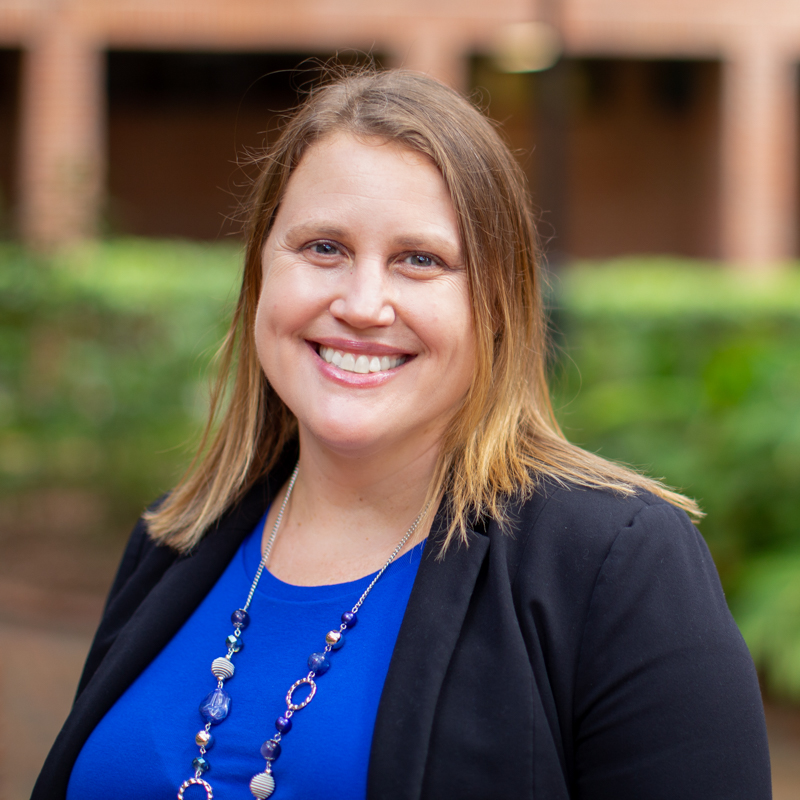 |
Melinda Leko is a Professor of Special Education in the School of Special Education, School Psychology, and Early Childhood Studies at the University of Florida. Dr. Leko’s research focuses on (a) educator preparation to promote inclusive and equitable practices for students with disabilities, (b) reading instruction for adolescents with disabilities, and (c) educators’ implementation of evidence-based practices and high-leverage practices. She also writes about the rigorous application of qualitative and mixed methods research in special education. Dr. Leko is a Co-Director on the Office of Special Education Programs (OSEP) funded Collaboration for Effective Educator Development, Accountability and Reform (CEEDAR Center). She has been the principal investigator (PI) of two OSEP doctoral leadership preparation programs and co-PI on an Institute of Education Sciences (IES) Development and Innovation grant designed to enhance the preparation of emergency certified special educators in rural areas. She has served in a variety of editorial roles including being the Associate Editor for Remedial and Special Education, Journal of Positive Behavioral Interventions, and Intervention in School & Clinic. She recently concluded a co-editorship of the journal Teacher Education and Special Education.
|
About the Moderator
|
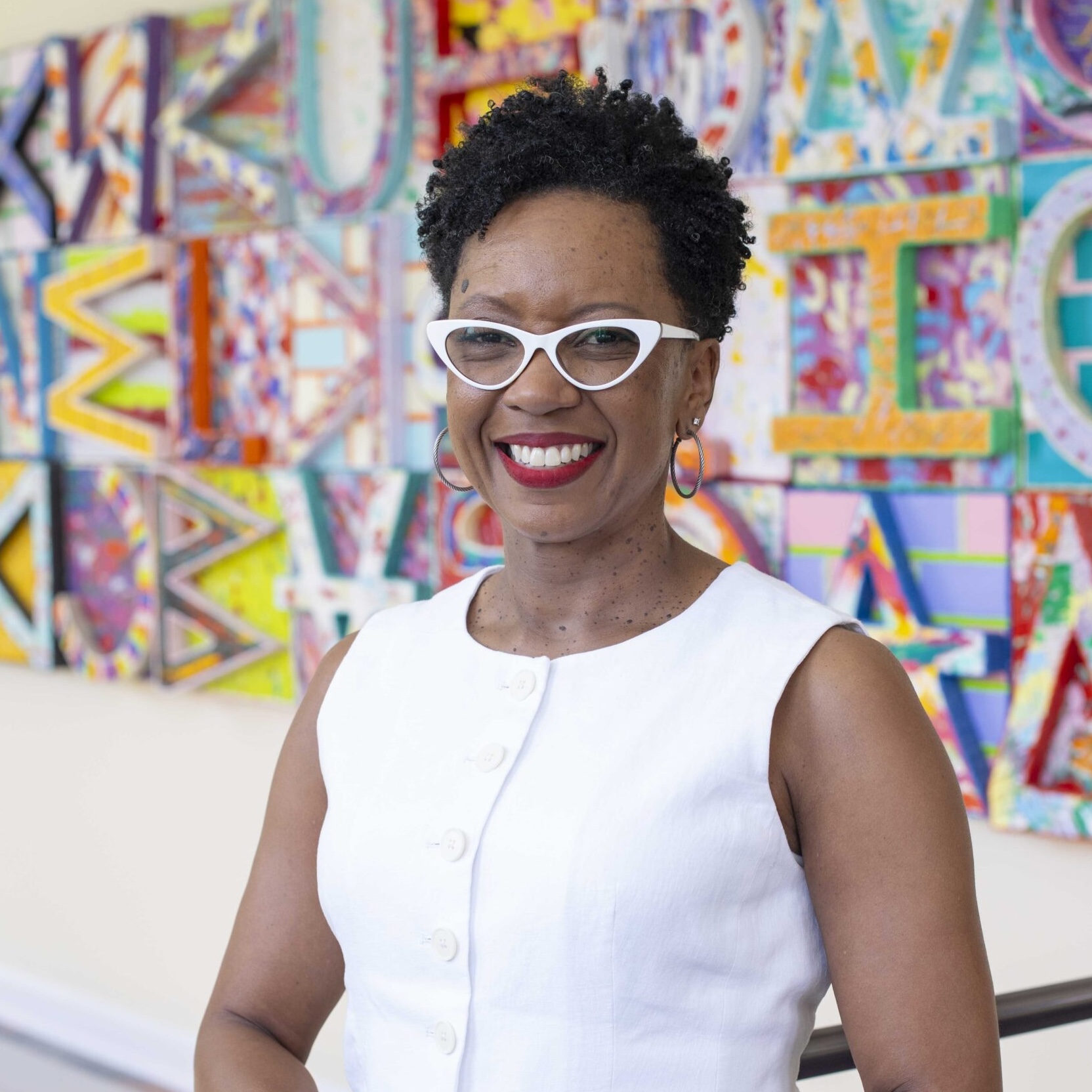 |
Erica D. McCray is the Associate Dean, Personnel Affairs & Community Engagement at the University of Florida College of Education. She earned her doctorate at the University of South Florida, Tampa. Dr. McCray's experience as a special educator for students with behavioral and learning disabilities in elementary and middle school settings led to her interest in issues of equity and diversity. Dr. McCray is currently co-principal investigator of the CEEDAR Center, an Office of Special Education Programs funded technical assistance project as well as a National Science Foundation research project to broaden participation in engineering.
|
| |
ASL and captioning provided
|
|
|